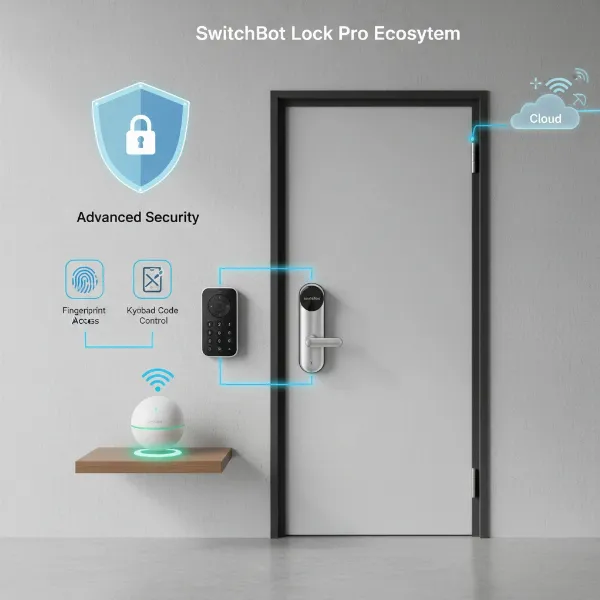
Imagine arriving home, hands full with groceries or a squirming toddler, and your front door simply glides open as it recognizes your face. This isn’t a scene from a futuristic movie; it’s the evolving reality of smart home security. Traditional keys and even PIN codes are quickly becoming relics as innovative biometric technologies, particularly Face ID, take center stage in safeguarding our homes. In 2026, the question is no longer if facial recognition will secure our front doors, but how seamlessly and intelligently it will integrate into our daily lives, redefining convenience and protection for modern homeowners.
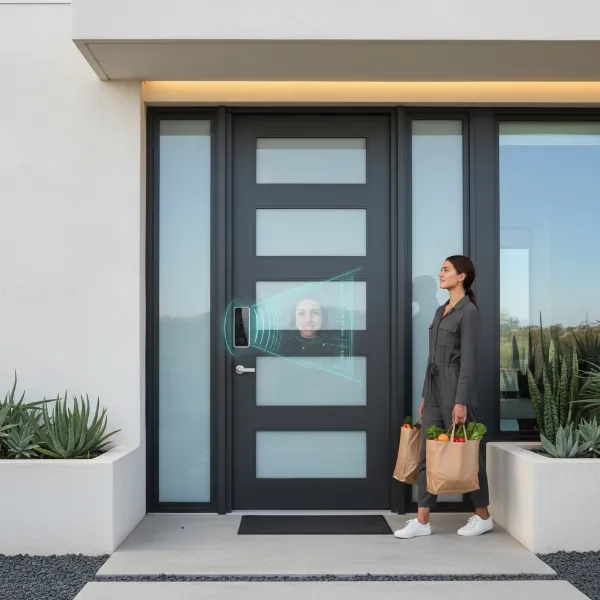 A woman using a face ID smart lock for hands-free entry into her modern smart home.
What is a Smart Lock, and Why Consider Facial Recognition?
A smart lock is an electromechanical lock designed to perform locking and unlocking operations on a door when it receives instructions from an authorized device using a wireless protocol and cryptographic key. These advanced devices offer keyless entry, remote management, and enhanced security features compared to their conventional counterparts. As technology progresses, smart locks are moving beyond simple keypads and fingerprint sensors to incorporate more sophisticated biometric methods like facial recognition.
Defining Face ID Smart Locks
|
Our Picks for the Best Smart Lock in 2026
As an Amazon Associate I earn from qualifying purchases.
|
||
| Num | Product | Action |
|---|---|---|
| 1 | TEEHO TE001 Keyless Entry Door Lock with Keypad - Smart Deadbolt Lock for Front Door with 2 Keys - Auto Lock - Easy Installation - Matte Black |

|
| 2 | TEEHO TE001 Keyless Entry Door Lock with Keypad - Smart Deadbolt Lock for Front Door with 2 Keys - Auto Lock - Easy Installation - Satin Nickel |
|
| 3 | eufy Security Smart Lock C220, Fingerprint Keyless Entry Door Lock, Built-in Wi-Fi, App Remote Control, Front Door Smart Deadbolt, IP53 Waterproof, 8-Months Battery, Nickel |
|
| 4 | Philips Wi-Fi Door Lock, WiFi Smart Lock Keyless Entry Deadbolt for Front Door, Remote Control, Built-in WiFi, APP Fingerprint Passcode Unlock, Auto Locking |
|
| 5 | Schlage Encode Smart WiFi Deadbolt Lock for Front Door - Keyless Entry with App or Touchscreen - Works with Alexa, Hey Google, & Airbnb - Create Codes for Guests - Matte Black |
|
| 6 | eufy Security Smart Lock C220, Fingerprint Keyless Entry Door Lock, Built-in Wi-Fi, App Remote Control, Front Door Smart Lock Deadbolt, 8Months Battery, Reliable Power, IP53 Waterproof, BHMA Grade 3 |
|
| 7 | ULTRALOQ U-Bolt Pro WiFi Smart Lock with Door Sensor, 8-in-1 Keyless Entry Door Lock with Fingerprint ID, App Remote Control, Built-in WiFi Keypad Deadbolt, Auto Unlock, IP65 Waterproof, Easy Install |
|
| 8 | Philips Wi-Fi Door Lock, WiFi Smart Lock Keyless Entry Deadbolt for Front Door, Compatible with Alexa & Google Assistant, Remote Control, Built-in WiFi, APP Fingerprint Passcode Unlock, Auto Locking |
|
| 9 | TEEHO TE001 Keyless Entry Door Lock with Keypad - Smart Deadbolt Lock for Front Door with 2 Keys - Auto Lock - Easy Installation - Oil-Rubbed Bronze |
|
| 10 | Electronic Passwords Keyless Entry Door Locks Smart Deadbolt Metal Lock Auto Time Delay Locking Secure Durable Low Battery Alert Type-C Port for Emergency Charging |
|
Face ID smart locks are advanced security devices that utilize biometric technology to authenticate users through their unique facial features. Unlike older, less secure systems, modern Face ID locks, particularly 3D facial recognition models, capture and analyze three-dimensional facial data using infrared sensors or depth-sensing cameras. This sophisticated approach ensures higher accuracy and significantly stronger resistance to spoofing attempts compared to traditional two-dimensional facial recognition, making your entry system more robust. [cite: 1 (search result 2), 3 (search result 1)]
Beyond Keys: The Advantages of Face ID Entry
The appeal of Face ID entry extends far beyond merely eliminating physical keys. It offers unparalleled convenience, allowing for truly hands-free access as authorized individuals simply approach the door, which then unlocks in a fraction of a second. [cite: 2, 3 (search result 1), 3 (search result 2)] This rapid recognition is not only convenient but also enhances security by providing a frictionless yet verified entry experience. With multi-layered authentication often combined with other biometrics, Face ID smart locks offer robust protection, while remote management through mobile apps provides real-time alerts and control from anywhere.
The Technological Leap: Key Trends Shaping Face ID Smart Locks in 2026
The landscape of smart lock technology is evolving at an impressive pace, driven by advancements in artificial intelligence and a growing demand for seamless, secure home integration. In 2026, several key trends are defining the functionality and prevalence of Face ID for front doors.
AI-Powered Precision and Speed
Artificial intelligence is at the heart of the next generation of facial recognition smart locks. AI algorithms allow these locks to adapt to varying conditions, such as changes in facial angle, expression, or lighting, providing faster and more accurate identification. [cite: 1, 3 (search result 1)] Modern AI-powered systems are capable of processing thousands of faces every minute, translating into instantaneous access for homeowners. This intelligence helps reduce false rejections and ensures reliable performance, even in challenging environmental settings. [cite: 1, 4 (search result 2)]
Multi-Modal Biometrics: A Layered Defense
For enhanced security, the trend in 2026 is toward multi-modal biometric authentication. Many smart locks combine facial recognition with other biometric methods, such as fingerprint scanning, palm vein recognition, or traditional PIN codes. [cite: 1, 2, 3 (search result 1), 2, 3 (search result 2)] This layered defense creates multiple verification points, making it significantly harder for unauthorized individuals to gain access and offering a more robust security solution for sensitive spaces.
Seamless Smart Home Integration
The vision of a truly interconnected smart home is becoming a reality, and smart locks are pivotal to this ecosystem. By 2026, Face ID smart locks are designed for seamless integration with existing smart home systems, including Apple HomeKit, Google Home, and Amazon Alexa. [cite: 2, 4 (search result 2)] Technologies like Matter compatibility are enabling locks to communicate effortlessly with IoT devices, security cameras, HVAC systems, and mobile applications, creating a unified and intelligent home automation experience. This connectivity allows for remote monitoring, granting temporary permissions, and viewing entry logs in real-time. [cite: 3, 5 (search result 1)]
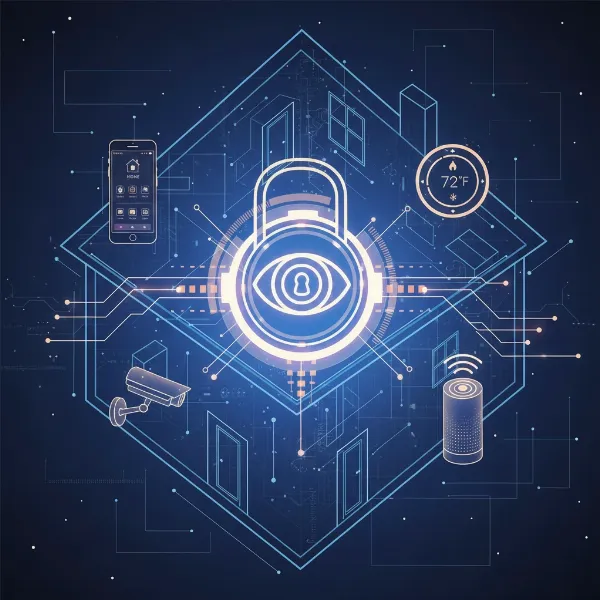 An illustration showing a Face ID smart lock seamlessly integrated with various smart home devices.
Advanced Anti-Spoofing Measures
One of the primary concerns with facial recognition technology is the risk of spoofing. However, 2026 innovations are directly addressing this with advanced anti-spoofing measures. Features like 3D sensing, infrared scanning, and liveness detection are standard, preventing unauthorized access using photos, videos, or masks. [cite: 3 (search result 1)] These technologies analyze depth, skin texture, and subtle movements to ensure that only a living, authorized individual can unlock the door, maintaining a high standard of security.
Navigating the Market: Leading Face ID Smart Lock Brands and Products
The smart lock market is vibrant, with several manufacturers pushing the boundaries of facial recognition technology. While specific models and features are continually evolving, some key players and emerging products offer a glimpse into the 2026 landscape.
Leading industry participants such as Yale, Samsung, August, Philips, Bosch, and Xiaomi are driving the evolution of the 3D facial recognition smart lock market. [cite: 1 (search result 2)] Brands like SwitchBot have showcased products such as the Vision Pro at CES 2026, featuring 3D facial recognition and palm-vein scanning for touchless entry in just 0.3 seconds. [cite: 2 (search result 2)] Another notable mention is the V150 Plus, which incorporates 3D facial recognition and AI fingerprint sensing, powered by an integrated solar panel for sustainable charging. [cite: 2 (search result 2)] WEISA is also highlighted for its AI-enhanced recognition and multi-modal biometric security. [cite: 3 (search result 1)]
Here’s a general overview of features often found in leading Face ID smart locks:
| Feature | Description | Benefit |
|---|---|---|
| Facial Recognition | 3D depth sensing, AI-enhanced algorithms | High accuracy, spoofing resistance, hands-free entry |
| Multi-modal Biometrics | Fingerprint, PIN, palm vein, NFC, mechanical key | Redundant access methods, enhanced security |
| Connectivity | Wi-Fi, Bluetooth, Zigbee, Z-Wave, Matter-compatible | Remote control, smart home integration, real-time alerts |
| Anti-Spoofing | Liveness detection, infrared scanning, 3D mapping | Prevents unauthorized access via photos/videos |
| Battery Life | Energy-efficient design, often with rechargeable or solar-charging options | Reduced maintenance, eco-friendly |
| Durability | Weather-rated (e.g., IP65), robust materials | Suitable for outdoor installation, long lifespan |
| Management | Mobile app control, guest access, activity logs | Easy user management, monitoring, security insights |
Your Buying Guide: Choosing the Right Face ID Smart Lock
Selecting a Face ID smart lock involves more than just picking the latest gadget. It requires careful consideration of your specific needs, the lock’s features, and its overall reliability.
Assessing Your Needs and Budget
Start by evaluating your existing door type (e.g., wood, metal, glass) and its compatibility with smart lock mechanisms. Determine the level of security you desire—is it for a residential home, a home office, or a high-traffic rental property? Face ID locks can be more expensive due to their advanced technology, so setting a realistic budget is crucial. The manufacturing costs of 3D facial recognition smart locks can be 60-80% higher than traditional smart locks, primarily due to sophisticated sensors and AI processing requirements. [cite: 1 (search result 2)]
Essential Features to Look For
Consider the various unlocking methods offered. While Face ID is the primary feature, backup options like fingerprint, PIN, and a mechanical key are essential for convenience and redundancy. Look for robust connectivity options (Wi-Fi, Bluetooth, Matter compatibility) to ensure seamless integration with your smart home ecosystem. Important smart features include remote locking/unlocking, guest access management, and activity logs. Also, evaluate battery life and any weather ratings if the lock will be exposed to outdoor elements.
Prioritizing Security and Privacy
Security should be paramount. Inquire about the lock’s encryption standards and how biometric data is stored—locally on the device itself (preferred for privacy) or in the cloud. Features like 3D sensing and liveness detection are crucial for anti-spoofing. Privacy concerns regarding biometric data processing are addressed through edge computing, which processes data locally rather than in the cloud. [cite: 2 (search result 1)] Look for security certifications and adherence to data protection regulations.
Reading User Reviews and Expert Opinions
Before making a purchase, delve into reviews from other users. Their real-world experiences can highlight practical advantages, potential drawbacks, and the reliability of the lock in various conditions, such as low light or extreme angles, which can impact recognition accuracy. [cite: 1 (search result 2)] Expert opinions from reputable tech publications can also provide valuable insights into performance, ease of use, and long-term durability.
Setting Up and Maintaining Your Face ID Smart Lock
Installing and maintaining a Face ID smart lock can seem daunting, but with the right guidance, it’s a straightforward process that ensures long-term security and optimal performance.
Basic Installation Steps
While some smart locks offer self-installation options designed to fit over existing lock structures without drilling, others may require professional installation. [cite: 5 (search result 2)] Typically, installation involves removing your old lock, mounting the new smart lock hardware, connecting wiring (if applicable), and then pairing the device with its companion app. Always refer to the manufacturer’s specific instructions, as processes can vary between brands and models.
Maximizing Smart Features
Once installed, take full advantage of your smart lock’s capabilities. Use the mobile app to register authorized faces, set up temporary guest access with specific timeframes, and monitor entry and exit logs for enhanced security awareness. Integrate the lock with your voice assistants like Alexa or Google Assistant for voice-controlled locking, adding another layer of convenience to your smart home.
Tips for Longevity and Troubleshooting
To ensure your Face ID smart lock functions optimally for years, regular maintenance is key. Keep the camera lens and sensors clean to prevent dust or smudges from hindering facial recognition accuracy. Monitor battery levels regularly, especially if your lock relies solely on internal power. Many modern locks are designed for low power consumption and long battery life. [cite: 3 (search result 1)] For common issues like connectivity problems or recognition errors, consult the manufacturer’s troubleshooting guide or contact their technical support.
Complementary Smart Lock Accessories
To fully optimize your Face ID smart lock experience and bolster your home security, consider integrating a few key accessories:
- Keypad for Backup Entry: While Face ID offers ultimate convenience, a physical keypad provides a reliable backup entry method in case of power failure, internet outage, or if a guest needs access without facial registration.
- Remote Controls: Small, portable remotes can offer an alternative quick access method, especially useful for children or elderly family members who might prefer a physical device.
- Battery Backup/Solar Chargers: For locks with internal batteries, a dedicated battery backup unit or, as seen in some 2026 models, integrated solar panels can ensure continuous operation, even during extended power outages. [cite: 2 (search result 2)]
- Smart Doorbell with Camera Integration: Integrating your Face ID smart lock with a smart doorbell camera allows you to see who is at your door before unlocking it, offering an additional layer of verification and security. This also creates a seamless visual record of activity at your entryway.
Conclusion
The future of home security in 2026 is undoubtedly smart, and Face ID for front doors stands at the forefront of this revolution. Driven by AI-enhanced precision, multi-modal biometric security, and seamless smart home integration, these intelligent locks offer an unprecedented blend of convenience and robust protection. While initial costs and considerations like environmental factors and privacy remain, ongoing advancements are steadily making Face ID smart locks a secure, efficient, and integral part of the modern connected home. As we move forward, embracing these innovative solutions will be key to protecting our sanctuaries with both intelligence and peace of mind.
Are you ready to unlock the future with the glance of an eye?
Frequently Asked Questions
How accurate are face ID door locks in different lighting?
Modern 3D facial recognition smart locks use AI algorithms and infrared scanning to adapt to various lighting conditions, including low light. While optimal conditions yield over 98% accuracy, challenging scenarios like extreme angles or very low light might see accuracy drop slightly to 89-92%, though continuous algorithm improvements are addressing these limitations. [cite: 1 (search result 2), 3 (search result 1)]
Are face recognition smart locks safe from spoofing?
Yes, current Face ID smart locks incorporate advanced anti-spoofing technologies such as 3D sensing, liveness detection, and infrared scanning. These features prevent unauthorized access attempts using photos, videos, or masks, ensuring that only a live, authenticated individual can gain entry. [cite: 3 (search result 1)]
What are the privacy implications of face ID smart locks?
Privacy is a significant concern, but modern Face ID smart locks are designed with it in mind. Many devices utilize edge computing to process and store biometric data locally on the device itself, rather than sending it to the cloud. This approach minimizes privacy risks by keeping sensitive personal information securely within your home network. [cite: 2 (search result 1)]
Can I install a face ID smart lock myself?
Some Face ID smart locks are designed for DIY installation, fitting over existing lock structures without the need for drilling. However, more complex systems or those requiring integration with specific door types might benefit from professional installation to ensure optimal functionality and security. Always check the manufacturer’s guidelines for installation. [cite: 5 (search result 2)]
How much do face ID smart locks cost?
The cost of Face ID smart locks can vary significantly. They tend to be more expensive than traditional smart locks, with manufacturing costs potentially 60-80% higher due to sophisticated sensors and AI processing. Prices can range from under $300 for some emerging models to significantly more for premium, feature-rich systems.