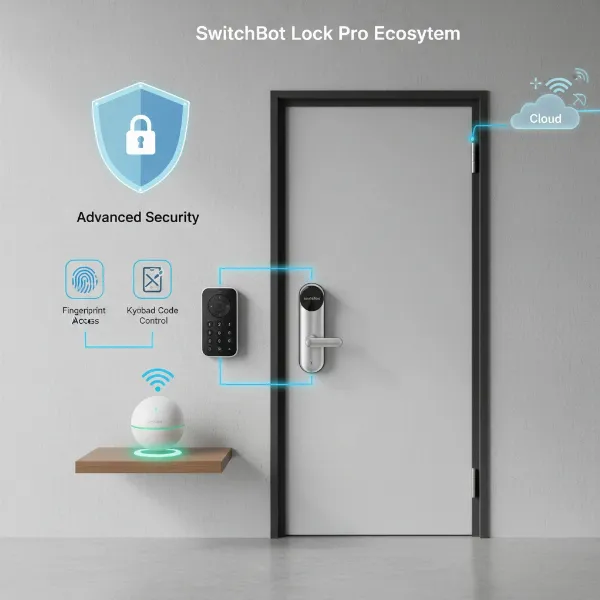
The garage often serves as more than just a place to park your car; it’s a vital entry point into your home, making its security paramount. Yet, many homeowners still rely on outdated, easily compromised locks. Upgrading to a smart lock for your garage entry door offers a significant leap forward in convenience, control, and peace of mind. These modern marvels seamlessly integrate into your smart home ecosystem, providing robust protection and smart access that traditional locks simply cannot match. If you’re looking to fortify your home, especially a vulnerable garage access point, a smart lock is an indispensable investment.
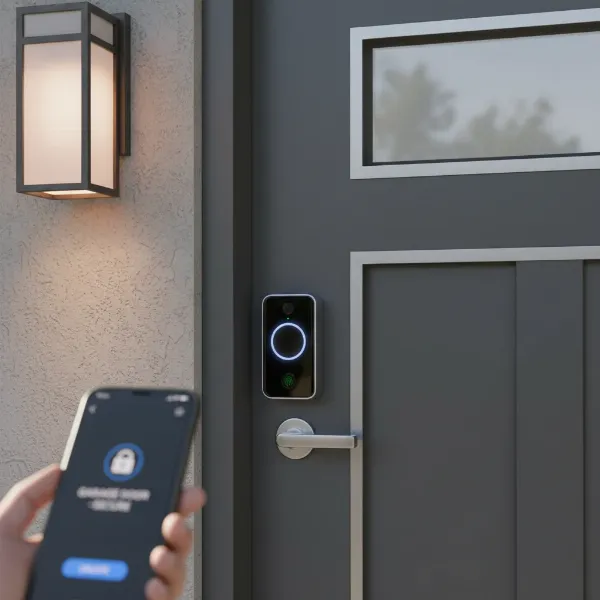 A modern smart lock installed on a garage entry door, enhancing home security
What is a Smart Lock, and Why Should You Use One for Your Garage Entry?
A smart lock is an electromechanical lock designed to perform locking and unlocking operations on a door when it receives authenticated instructions from an authorized device using a wireless protocol and cryptographic key. For your garage entry door, this translates into advanced functionalities that go far beyond a traditional key. Smart locks typically use technologies like Bluetooth, Wi-Fi, or Z-Wave to connect with your smartphone or a smart home hub, allowing for remote management and automation.
The benefits of using a smart lock on your garage entry door are substantial compared to conventional locks. Firstly, they offer unparalleled convenience. Imagine arriving home with arms full of groceries and simply unlocking your door with a tap on your phone, a fingerprint scan, or a personalized PIN code on a keypad. Many smart locks also feature auto-locking, ensuring your door is secured automatically after a set period, eliminating worries about forgetting to lock up. Secondly, smart locks dramatically enhance security. Garages are frequently targeted by burglars, and a smart lock provides features like tamper alerts, which notify you immediately if someone attempts unauthorized access. They also eliminate the risk of lost or stolen physical keys, as access is managed digitally. Lastly, easy management is a major advantage. You can grant temporary access to family members, guests, or service providers with unique codes that can be easily set and revoked from anywhere, providing flexible control over who enters your home and when.
Smart locks are ideal for various applications, from securing residential garage entry doors to managing access in shared garage spaces or workshops. They provide a modern solution to a common security weak point, ensuring your home is protected with cutting-edge technology.
Popular Smart Lock Types for Garage Entry Doors
The market offers a diverse range of smart locks, each employing different access methods to suit various preferences and security needs. Understanding these types is crucial for selecting the best fit for your garage entry door.
Fingerprint Smart Locks
Fingerprint smart locks offer biometric authentication, allowing you to unlock the door with a simple touch of your registered fingerprint.
- Pros: Highly convenient and secure, as fingerprints are unique to each individual. No keys to lose or codes to forget. Fast entry.
- Cons: Can sometimes be affected by dirt, moisture, or extreme temperatures, leading to occasional misreads. Some models might be pricier.
- Best for: Homeowners prioritizing quick, keyless entry and robust personal security, especially those who frequently enter through the garage and want to avoid carrying anything.
|
Our Picks for the Best Smart Lock in 2026
As an Amazon Associate I earn from qualifying purchases.
|
||
| Num | Product | Action |
|---|---|---|
| 1 | TEEHO TE001 Keyless Entry Door Lock with Keypad - Smart Deadbolt Lock for Front Door with 2 Keys - Auto Lock - Easy Installation - Satin Nickel |

|
| 2 | Philips Wi-Fi Door Lock, WiFi Smart Lock Keyless Entry Deadbolt for Front Door, Remote Control, Built-in WiFi, APP Fingerprint Passcode Unlock, Auto Locking |
|
| 3 | Schlage Encode Smart WiFi Deadbolt Lock for Front Door - Keyless Entry with App or Touchscreen - Works with Alexa, Hey Google, & Airbnb - Create Codes for Guests - Matte Black |
|
| 4 | ULTRALOQ U-Bolt Pro WiFi Smart Lock with Door Sensor, 8-in-1 Keyless Entry Door Lock with Fingerprint ID, App Remote Control, Built-in WiFi Keypad Deadbolt, Auto Unlock, IP65 Waterproof, Easy Install |
|
| 5 | TEEHO TE001 Keyless Entry Door Lock with Keypad - Smart Deadbolt Lock for Front Door with 2 Keys - Auto Lock - Easy Installation - Matte Black |
|
| 6 | Electronic Passwords Keyless Entry Door Locks Smart Deadbolt Metal Lock Auto Time Delay Locking Secure Durable Low Battery Alert Type-C Port for Emergency Charging |
|
| 7 | TEEHO TE001 Keyless Entry Door Lock with Keypad - Smart Deadbolt Lock for Front Door with 2 Keys - Auto Lock - Easy Installation - Oil-Rubbed Bronze |
|
| 8 | eufy Security Smart Lock C220, Fingerprint Keyless Entry Door Lock, Built-in Wi-Fi, App Remote Control, Front Door Smart Lock Deadbolt, 8Months Battery, Reliable Power, IP53 Waterproof, BHMA Grade 3 |
|
| 9 | Philips Wi-Fi Door Lock, WiFi Smart Lock Keyless Entry Deadbolt for Front Door, Compatible with Alexa & Google Assistant, Remote Control, Built-in WiFi, APP Fingerprint Passcode Unlock, Auto Locking |
|
| 10 | eufy Security Smart Lock C220, Fingerprint Keyless Entry Door Lock, Built-in Wi-Fi, App Remote Control, Front Door Smart Deadbolt, IP53 Waterproof, 8-Months Battery, Nickel |
|
Keypad Smart Locks
Keypad smart locks require users to enter a numerical code on a physical keypad to unlock the door.
- Pros: Provides keyless entry without needing a smartphone. Easy to share temporary codes with guests or service providers. Often more affordable than biometric options.
- Cons: PINs can potentially be observed or shared without authorization, though many offer “fake PIN” features to prevent this. Keypads can show wear over time, revealing frequently used numbers.
- Best for: Families with children, frequent visitors, or homeowners who prefer a straightforward, reliable keyless solution and often need to provide temporary access.
Smart Locks with Key Card/Fob Access
These locks utilize RFID or NFC technology, allowing users to unlock the door by tapping a proximity card or fob against a reader.
- Pros: Simple and quick entry, similar to hotel room keys. Useful for individuals who may struggle with PINs or fingerprints.
- Cons: Cards/fobs can be lost or stolen, requiring them to be deactivated and replaced. Less common for residential garage entry doors compared to other types.
- Best for: Users who prefer a physical access token other than a traditional key, or for properties with multiple users (e.g., shared workshops) where fobs can be easily distributed and managed.
Remote-Controlled Smart Locks
These locks are operated via a smartphone app, allowing you to lock and unlock the door from anywhere with an internet connection.
- Pros: Ultimate convenience for remote management. You can check lock status, grant access, and receive notifications even when you’re away from home.
- Cons: Relies on smartphone battery and internet connectivity. May require a smart home hub for full remote functionality if the lock isn’t Wi-Fi enabled.
- Best for: Homeowners who travel frequently, want to monitor their garage door remotely, or need to provide access to someone when they are not physically present.
Multi-Method Smart Locks
Many modern smart locks combine several access methods, offering a blend of keypad, fingerprint, app control, and even a traditional key override.
- Pros: Provides maximum flexibility and redundancy. If one method fails (e.g., phone battery dies), others are available. Caters to diverse user preferences.
- Cons: Can be more complex to set up and manage due to multiple features. Often comes at a higher price point.
- Best for: Those seeking the most versatile and secure solution, ensuring reliable access under all circumstances and for all users.
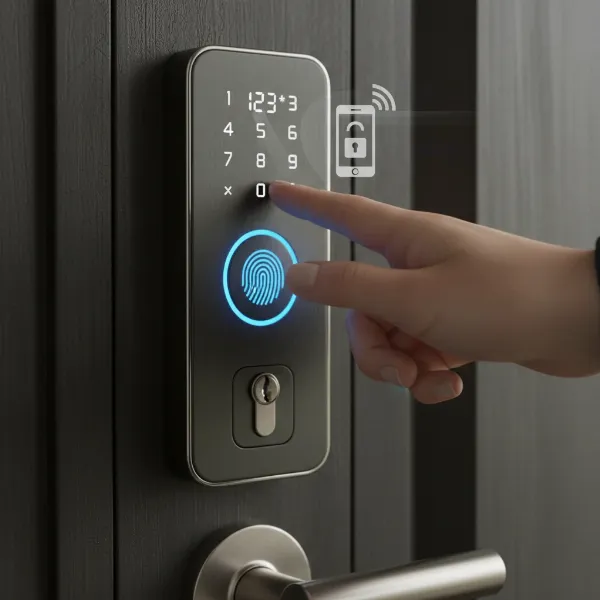 A hand using a multi-method smart lock with keypad, fingerprint, and app icons
Comparing Top Smart Lock Brands for Garage Entry Doors
When it comes to securing your garage entry, certain brands consistently stand out for their reliability, features, and integration capabilities. Here’s a look at some leading contenders:
| Brand | Key Features for Garage Entry | Price Range | Security Rating | Durability Notes |
|---|---|---|---|---|
| Kwikset | SmartKey re-keying, BHMA Grade 2 certification, long battery life, tamper alarms, LED keypad. | Mid-High | High (BHMA G2) | Engineered for high-traffic, durable for garage use. |
| August | Retrofit installation, integrates with existing deadbolt, Auto-Lock/Unlock, virtual keys, activity log. | Mid-High | High | Focus on smart features and ease of use. |
| Yale | Touchscreen keypads, smart home integration (Alexa, Google, HomeKit), various finishes. | Mid-High | High | Robust construction, designed for daily use. |
| Schlage | Durable keypads, robust security features, various styles, broad smart home compatibility. | Mid-High | High | Known for reliability and sturdy build. |
| eufy | Built-in Wi-Fi, app control, voice compatibility, integrated camera (on some models), value-focused. | Low-Mid | Good | Excellent value for integrated smart features. |
| Nuki | Retrofit, auto-unlock, remote access, bridge for Wi-Fi, activity log. | Mid-High | High | European brand, known for seamless integration. |
| Xiaomi | Fingerprint recognition, secure chip, smart home ecosystem integration (regional availability). | Low-Mid | Good | Cost-effective with biometric options. |
Kwikset is highly regarded for its durability and security, with models like the SmartCode 955 specifically engineered for high-traffic commercial-grade use, making them perfect for garages. They offer BHMA Grade 2 certification, making them 2.5 times stronger than standard locks, and an impressive 3-year battery life. The SmartKey Re-keying feature adds another layer of security and convenience.
August smart locks are celebrated for their easy retrofit installation, allowing you to keep your existing deadbolt while adding smart functionality. They excel in virtual key management and seamless integration with platforms like Alexa, Siri, or Google Assistant.
Yale is another titan in the lock industry, adapting well to smart technology. Their touchscreen locks offer robust security and are highly compatible with various smart home systems, including Google Home and Alexa. Yale models often combine style with advanced features.
Schlage is synonymous with reliability and security. They offer a wide range of stylish models with durable keypads and strong smart home integration, making them a popular choice for homeowners looking for sturdy equipment and broad compatibility.
eufy offers excellent value, packing built-in Wi-Fi, app control, and voice compatibility into a more affordable package, making it a strong contender for those seeking true smart integration without a premium price tag.
“Choosing the right smart lock for your garage entry isn’t just about convenience; it’s a critical security decision. Factors like weather resistance, durable construction, and robust encryption are non-negotiable for external doors like those connecting to a garage.” – Alex Chen, Smart Home Security Expert
Your Guide to Choosing the Right Smart Lock for Your Garage Entry
Selecting the perfect smart lock for your garage entry door involves a careful evaluation of your specific needs, the door itself, and the features that matter most for security and convenience.
Determine Your Usage Needs
Start by considering how your garage entry door is used.
- Door Type: Is it a standard hinged pedestrian door, or a side door? Most smart locks are designed for standard deadbolt installations. If your door only has a lever, you might consider installing a deadbolt for enhanced security.
- Security Level: How much security do you need? A door that opens directly into your living space might warrant higher security features than one leading to a separate workshop. Look for locks with BHMA (Builders Hardware Manufacturers Association) ratings, with Grade 1 being the highest.
- User Frequency: Will many people (family, friends, service providers) need access? This influences the importance of temporary codes, multiple user profiles, and easy-to-use access methods like keypads or fingerprints.
- Environment: Garage entry doors, especially those exposed to the outside, require locks with good weather resistance to withstand temperature fluctuations, humidity, and potential moisture. Look for locks rated for outdoor use or those with strong seals.
Essential Smart Lock Features
Once you understand your needs, identify the key features that will make your smart lock effective.
- Access Methods: Do you prefer a keypad, fingerprint reader, smartphone app control, or a combination? Multi-method locks offer flexibility.
- Connectivity: Wi-Fi allows for remote control from anywhere, but consumes more battery. Bluetooth is good for proximity control. Z-Wave and Zigbee require a hub but integrate well into broader smart home systems. Consider native Wi-Fi support to avoid extra hubs.
- Auto-Lock/Unlock: This feature automatically locks the door after a preset time or unlocks it as you approach (geofencing), enhancing both security and convenience.
- Notifications and Activity Logs: Receiving real-time alerts when the door is locked, unlocked, or tampered with, along with a log of who accessed it, is vital for monitoring security.
- Emergency Access: Always ensure there’s a reliable backup, such as a physical key override or a USB port for emergency power.
Prioritize Security Elements
The primary role of any lock is security.
- Certification: Look for locks with industry certifications like BHMA Grade 1 or 2, which indicate resistance to forced entry, impact, and other attacks.
- Encryption: Strong encryption protocols protect your data and prevent unauthorized wireless access.
- Tamper Alerts: An audible alarm or notification if someone attempts to pick the lock or forcibly open the door.
- Two-Factor Authentication (2FA): Some advanced locks offer 2FA, requiring a second verification (e.g., fingerprint after PIN) for enhanced security.
User Reviews and Support
Before making a final decision:
- Read Reviews: Look for feedback specifically from users who have installed the lock on a garage entry door. This can highlight real-world performance, durability, and any quirks.
- Warranty and Support: A good warranty and responsive technical support are crucial for any smart home device. Choose reputable manufacturers known for their customer service.
Budget Considerations
Smart locks range in price based on features, brand, and build quality. While it’s tempting to opt for the cheapest option, remember that security is an investment. Balance your budget with the essential features and security levels you need for your garage entry.
Installing and Maintaining Your Smart Lock
Integrating a smart lock into your garage entry door system is typically a straightforward process, but proper installation and maintenance are key to ensuring its longevity and effectiveness.
Basic Installation Steps
Most smart locks are designed to be DIY-friendly, often requiring only a screwdriver.
- Remove Old Lock: Carefully remove your existing deadbolt or lockset from the door.
- Install New Deadbolt: Follow the manufacturer’s instructions to install the new deadbolt mechanism. Ensure it aligns correctly within the door frame.
- Attach Exterior Keypad/Reader: Mount the exterior component of the smart lock, feeding any cables through the door as instructed.
- Install Interior Assembly: Attach the interior portion, connecting the cables and ensuring all components are secure.
- Insert Batteries: Install the recommended batteries.
- Test Functionality: Manually test the lock to ensure the deadbolt extends and retracts smoothly.
- Pair with App/Hub: Follow the app’s instructions to pair your new smart lock with your smartphone or smart home hub. This usually involves a few steps to connect via Bluetooth or Wi-Fi and set up initial codes or fingerprints.
For doors that only have a lever handle without a deadbolt, you might need to drill a deadbolt hole to install a more secure smart deadbolt, which is highly recommended for exterior garage entry points. If you are unsure, consider professional installation.
Leveraging Smart Features
Once installed, take advantage of your smart lock’s full capabilities:
- Set Up User Codes: Create unique PINs for family members, friends, or service providers. Remember to delete or change codes for temporary users.
- Enable Auto-Lock: Configure the lock to automatically secure itself after a few minutes, so you never have to worry if you remembered to lock the door.
- Activate Notifications: Turn on alerts for specific events, such as when the door is unlocked, if a specific user code is used, or if a tamper attempt is detected.
- Integrate with Smart Home: Connect your smart lock with voice assistants like Alexa or Google Assistant, or integrate it into your broader smart home system (e.g., SmartThings, HomeKit) for automated routines (e.g., “lock garage door when I leave home”).
Maintenance Tips
A little care goes a long way in extending the life of your smart lock:
- Battery Management: Smart locks are battery-powered. Pay attention to low-battery warnings from the app and replace batteries promptly. Keep spare batteries on hand. Some locks offer long battery life (e.g., 3 years).
- Keep Clean: Periodically wipe down keypads and fingerprint readers to remove dirt and grime, which can affect functionality.
- Check Connections: Ensure the lock’s components are securely fastened and that the door and frame are in good condition for proper alignment.
- Firmware Updates: Regularly check for and install firmware updates, which often include security patches and feature enhancements.
Troubleshooting Common Issues
- Battery Drain: If batteries deplete quickly, check for frequent Wi-Fi usage or high traffic. Ensure good signal strength to avoid the lock constantly searching for connection.
- Connectivity Problems: If the lock loses connection, try restarting your home router, repositioning your smart home hub, or checking the lock’s proximity to the hub/router.
- Unresponsive Keypad/Fingerprint Reader: Ensure it’s clean and try re-calibrating or re-registering fingerprints if necessary.
- Lock Not Engaging: Check for obstructions in the door frame or deadbolt strike plate. Ensure the lock is installed squarely.
Essential Smart Lock Accessories
While the smart lock itself provides core functionality, certain accessories can enhance its convenience, security, and overall user experience for your garage entry door.
- Wireless Keypads: Many smart locks come with integrated keypads, but external, wired or wireless keypads can be useful for providing access without a smartphone or key fob. This is especially handy for children or guests.
- Remote Controls/Fobs: For quick, button-press access without a phone, a dedicated remote control or fob can be a convenient addition.
- Smart Home Hubs/Bridges: If your smart lock uses Z-Wave, Zigbee, or Bluetooth without native Wi-Fi, a compatible smart home hub or bridge is essential for remote access and integration with other smart devices. These act as central communicators, allowing your lock to connect to your home network and the internet.
- Wi-Fi Extenders: For garages often located further from the main home router, a Wi-Fi extender can significantly improve signal strength, ensuring reliable remote control and notifications for Wi-Fi enabled smart locks.
- Backup Power Solutions: While many smart locks have long battery lives, having a plan for power outages or dead batteries is wise. Some locks feature a USB port for emergency power, allowing you to temporarily power it with a portable charger. Keeping a spare set of batteries readily available is also a good practice.
- Dry Contact Adapter Switch: For integration with some older or less compatible garage door openers, a “Dry Contact Adapter Switch” might be necessary to ensure perfect synchronization between your smart lock and the main garage door system. This allows the smart lock system to communicate properly with the opener.
- Door Sensors: While not strictly a lock accessory, integrating door sensors can provide an additional layer of security by notifying you if the garage entry door is left ajar, even if the lock is engaged.
The right accessories can transform your smart lock from a standalone device into a seamless part of a comprehensive home security and automation system, providing added layers of protection and unparalleled convenience for your garage entry.
Conclusion
Securing your garage entry door with a smart lock is a smart decision for any homeowner looking to elevate their home’s security and convenience. These advanced devices offer keyless access, remote control, and real-time monitoring, transforming a common vulnerability into a fortified entry point. By choosing the right type of smart lock, considering crucial features like durability and connectivity, and understanding proper installation and maintenance, you can enjoy unparalleled peace of mind. Investing in a smart lock for your garage entry door is not just about technology; it’s about making your home safer, smarter, and more accessible.
Ready to enhance your garage security? What smart features are most important to you in a smart lock?
Frequently Asked Questions
What makes a smart lock ideal for a garage entry door specifically?
Smart locks for garage entry doors need enhanced durability and weather resistance due to potential exposure to varying temperatures and humidity. They also benefit from robust security features like tamper alerts and easy remote management, as garages are often targeted entry points that may be less frequently monitored than front doors.
Can I install a smart lock on any garage entry door?
Most smart locks are designed for standard deadbolt installations. If your garage entry door only has a lever handle, you might need to install a deadbolt or choose a smart lock specifically designed to replace a lever. Always check the lock’s compatibility with your door’s thickness and bore holes.
What happens if the smart lock’s battery dies?
Reputable smart locks typically provide multiple low-battery warnings well in advance. In the event of a completely drained battery, most models include a physical key override or a port for emergency power (e.g., a 9V battery or USB power bank) to ensure you are never locked out.
Are smart locks for garage entry doors secure against hacking?
Leading smart lock brands employ strong encryption protocols and security measures to protect against digital threats. Keeping your lock’s firmware updated, using strong, unique passwords for your smart home accounts, and enabling two-factor authentication can further enhance security against potential hacking attempts.
Do smart locks for garage entry doors integrate with smart home systems?
Many smart locks are designed for seamless integration with popular smart home ecosystems like Amazon Alexa, Google Assistant, Apple HomeKit, and Samsung SmartThings. This allows for voice control, custom automation routines, and centralized management of your home’s security.
What’s the difference between a smart lock for a garage entry door and a smart garage door opener?
A smart lock for a garage entry door (a pedestrian door) secures the physical deadbolt, offering keyless access and monitoring for that specific door. A smart garage door opener, on the other hand, controls the main overhead garage door itself, allowing you to open/close it remotely and receive status alerts. Many homeowners use both in conjunction for comprehensive garage security.