Sliding glass doors and patio doors are beautiful additions to any home, offering abundant natural light and seamless transitions to outdoor spaces. However, their unique design often presents distinct security challenges compared to traditional hinged doors. Many homeowners worry about the inherent vulnerabilities of these doors, from easily bypassed latches to the risk of the door being lifted off its tracks. Fortunately, the world of smart locks has evolved to offer sophisticated solutions that blend robust security with unparalleled convenience, transforming your patio and sliding glass entries into smart, secure gateways.
What is a Smart Lock? Why Should You Use One for Sliding Doors?
A smart lock is an electronic lock that offers keyless entry and can be controlled remotely via a smartphone, keypad, or other smart devices. It replaces traditional keys with digital credentials, providing enhanced security and convenience through advanced technology like Wi-Fi, Bluetooth, or Z-Wave connectivity. For sliding glass doors and patio doors, smart locks are particularly beneficial because they address common security weak points.
Unlike conventional latches that burglars can often easily manipulate or even bypass by lifting the door off its tracks, smart locks add multiple layers of protection. They offer remote monitoring capabilities, sending real-time alerts to your smartphone if tampering is detected. This eliminates the need for physical keys, reducing the risk of loss or unauthorized duplication. For families, smart locks allow you to create temporary digital codes for children or guests, ensuring controlled access. Airbnb hosts, for example, find them indispensable for managing guest access without the hassle of physical key handovers. Furthermore, smart locks integrate seamlessly with existing smart home ecosystems like Google Home, Alexa, or Apple HomeKit, enabling remote control and coordinated security responses throughout your home.
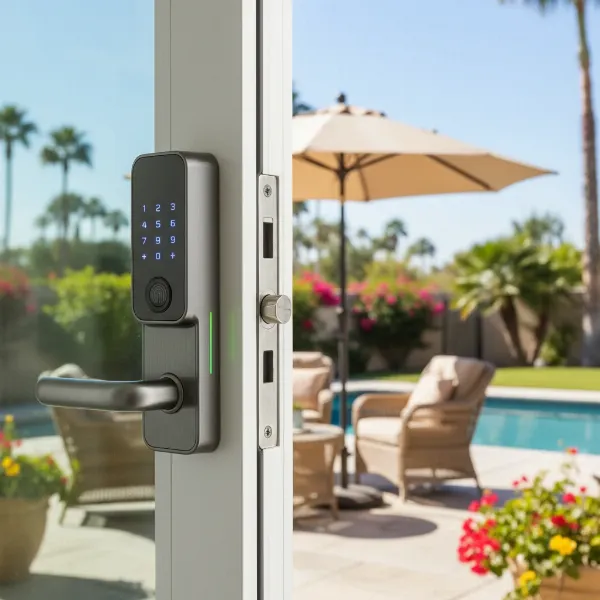 A modern smart lock installed on a sliding glass patio door, illustrating enhanced security and convenience.
Types of Smart Locks Suitable for Sliding Glass Doors and Patio Doors
When it comes to securing sliding and patio doors, not every smart lock designed for standard hinged doors will fit. These doors require compatible mechanisms, often involving mortise locks, unique latches, or retrofit kits. The ideal smart lock for these applications focuses on reinforcing the door’s inherent security while adding smart functionalities.
Smart Lever Locks
|
Our Picks for the Best Smart Lock in 2026
As an Amazon Associate I earn from qualifying purchases.
|
||
| Num | Product | Action |
|---|---|---|
| 1 | Philips Wi-Fi Door Lock, WiFi Smart Lock Keyless Entry Deadbolt for Front Door, Remote Control, Built-in WiFi, APP Fingerprint Passcode Unlock, Auto Locking |

|
| 2 | Schlage Encode Smart WiFi Deadbolt Lock for Front Door - Keyless Entry with App or Touchscreen - Works with Alexa, Hey Google, & Airbnb - Create Codes for Guests - Matte Black |
|
| 3 | eufy Security Smart Lock C220, Fingerprint Keyless Entry Door Lock, Built-in Wi-Fi, App Remote Control, Front Door Smart Lock Deadbolt, 8Months Battery, Reliable Power, IP53 Waterproof, BHMA Grade 3 |
|
| 4 | ULTRALOQ U-Bolt Pro WiFi Smart Lock with Door Sensor, 8-in-1 Keyless Entry Door Lock with Fingerprint ID, App Remote Control, Built-in WiFi Keypad Deadbolt, Auto Unlock, IP65 Waterproof, Easy Install |
|
| 5 | TEEHO TE001 Keyless Entry Door Lock with Keypad - Smart Deadbolt Lock for Front Door with 2 Keys - Auto Lock - Easy Installation - Matte Black |
|
| 6 | TEEHO TE001 Keyless Entry Door Lock with Keypad - Smart Deadbolt Lock for Front Door with 2 Keys - Auto Lock - Easy Installation - Satin Nickel |
|
| 7 | Philips Wi-Fi Door Lock, WiFi Smart Lock Keyless Entry Deadbolt for Front Door, Compatible with Alexa & Google Assistant, Remote Control, Built-in WiFi, APP Fingerprint Passcode Unlock, Auto Locking |
|
| 8 | TEEHO TE001 Keyless Entry Door Lock with Keypad - Smart Deadbolt Lock for Front Door with 2 Keys - Auto Lock - Easy Installation - Oil-Rubbed Bronze |
|
| 9 | eufy Security Smart Lock C220, Fingerprint Keyless Entry Door Lock, Built-in Wi-Fi, App Remote Control, Front Door Smart Deadbolt, IP53 Waterproof, 8-Months Battery, Nickel |
|
| 10 | Electronic Passwords Keyless Entry Door Locks Smart Deadbolt Metal Lock Auto Time Delay Locking Secure Durable Low Battery Alert Type-C Port for Emergency Charging |
|
Smart lever locks are designed to replace your existing door handle and locking mechanism. They are particularly suitable for patio doors that use a lever-style handle. These locks often incorporate keypads, fingerprint readers, or remote access features, providing a secure and convenient entry method. Brands like Yale offer smart lever locks that fit various door styles.
Retrofit Smart Locks
Retrofit smart locks are designed to enhance existing traditional locking mechanisms without replacing the entire hardware. Devices like the August Smart Lock (though primarily for deadbolts, some adaptations exist) or specific retrofit kits like the Patio Guardian can add smart capabilities to a standard patio door latch. They often attach to the interior side of the door, allowing you to retain your existing exterior handle and key cylinder while gaining remote control, auto-lock, and monitoring features via an app.
Keypad/Electronic Locks Designed for Sliding Doors
Some manufacturers offer dedicated electronic keypad locks for sliding glass doors. These systems typically mount vertically and engage with the existing latch or replace it entirely. They remove the need for physical keys, allowing access via a numeric code. The Lockey 2500, a mechanical keyless option, is a simple, weather-resistant choice that doesn’t require batteries or Wi-Fi, while the Toledo Electronic Sliding Door Smart Lock provides digital codes and a hardened steel bolt, specifically designed for these door types.
Smart Modules for Existing Patio Door Hardware
Certain smart lock manufacturers partner with door manufacturers to offer smart modules that integrate with specific patio door systems. For instance, Yale offers “Patio Door Locks” and specific solutions for brands like Andersen patio doors. These modules can transform a traditional patio door lock into a smart lock, providing app control and integration with smart home platforms.
Multi-Method Smart Locks
The most advanced smart locks offer multiple methods of entry, which can be adapted for sliding doors with appropriate installation. These may include:
- Fingerprint Access: Biometric readers offer quick, keyless entry with just a touch. The Ultraloq U-Bolt Pro, when paired with an adapter kit, can offer fingerprint access for sliding doors.
- Keypad Access: Numerical keypads allow users to enter a code, eliminating the need for physical keys. This is a common and highly popular feature for convenience.
- Smartphone Control: Most smart locks offer app-based control, allowing you to lock/unlock, manage user codes, and monitor activity remotely from anywhere.
- Key Card/Fob Access: Similar to hotel room keys, some systems use RFID cards or fobs for entry.
- Voice Control: Integration with smart home assistants like Amazon Alexa or Google Assistant enables voice commands for locking and unlocking.
Top Smart Lock Brands for Sliding & Patio Doors
Choosing the best smart lock involves considering compatibility with your door, desired features, and overall security. Here’s a comparison of leading brands that offer solutions or adaptable products for sliding glass and patio doors:
| Smart Lock Model/Brand | Type | Connectivity | Key Features | Ideal Use Case |
|---|---|---|---|---|
| Yale Assure Series | Deadbolt, Lever, Retrofit | Wi-Fi, Bluetooth, Z-Wave, Matter | Keyed/key-free, touchscreen, fingerprint, Apple Home Key, various finishes | Versatile for various door types, full smart home integration, modern aesthetic. Yale also offers specific “Patio Door Locks.” |
| Ultraloq (e.g., U-Bolt Pro with Adapter) | Retrofit/Full replacement (with adapter) | Wi-Fi + Bluetooth | Fingerprint, keypad, smartphone, auto-unlock, voice control | Smart homes with heavy use, demanding high security and multiple access options. |
| August (e.g., Wi-Fi Smart Lock) | Retrofit | Wi-Fi, Bluetooth | Attaches to existing deadbolt (requires compatible sliding door hardware), auto-unlock, virtual keys | Ideal for renters or those wanting to keep existing exterior hardware, smart home integration. |
| Schlage (e.g., Encode Plus) | Deadbolt | Wi-Fi | Keypad, smartphone, Apple Home Key, built-in alarm | High reliability and ease of installation, if a compatible deadbolt can be installed on the patio door. |
| Lockly (e.g., Secure Pro) | Deadbolt, Lever, Latch | Wi-Fi, Bluetooth | 3D fingerprint, hack-proof keypad, mobile app, facial recognition (Visage) | Enhanced biometric security, robust keypads, suitable if a lever/latch system can be adapted. |
| Durham Biometric Smart Lock | Lever/Handle | Wi-Fi | Fingerprint, keys, fobs, smartphone, codes, autolock | Excellent for rental properties, Airbnb, or homes needing flexible access management. |
| Lockey 2500 | Mechanical Keyless Lever | None | Weather-resistant, no batteries, push-button entry | Simple, robust security for outdoor patios or garden doors where smart features are not a priority. |
| Toledo Sliding Door Smart Lock | Electronic Keypad | Bluetooth | Digital codes, solid steel bolt | Affordable yet modern option for residential sliding doors, balancing cost and security. |
| Patio Guardian Lock + Smart Add-On | Add-on Retrofit | Wi-Fi (via hub) | Reinforces existing latch, smart alerts | Cost-effective extra security for rental properties or those wanting to enhance a basic latch. |
Buying Guide: Choosing the Right Smart Lock for Your Sliding Door
Selecting the perfect smart lock for your sliding glass or patio door requires careful consideration to ensure it meets your specific security needs and seamlessly integrates with your home.
Identify Your Door Type and Existing Hardware
Begin by thoroughly examining your sliding or patio door. Determine the door material (wood, aluminum, vinyl, glass-heavy), its thickness, and the type of existing locking mechanism. Many sliding doors use a mortise lock, a hook lock, or a simple latch. Traditional deadbolt-style smart locks often require an adapter kit or a specific door configuration to work with sliding mechanisms. Understand if you need a full replacement, a lever handle, or a retrofit solution that works with your current setup. This foundational step prevents compatibility issues and wasted investment.
Explore Key Features and Connectivity
Consider the access methods you prioritize: fingerprint, keypad codes, smartphone app control, or traditional keys as a backup. Look for locks that offer multiple entry options for flexibility. Connectivity is crucial for smart features; Wi-Fi provides direct remote control, while Bluetooth-only models might require a separate hub or bridge for remote access. Z-Wave or Matter compatibility ensures integration with broader smart home ecosystems. Also, evaluate battery life (typically 6 months to a year) and emergency access options in case of power failure. Reliable app control, user code management, and activity logs are also important for convenient security management.
Prioritize Security and Certifications
Security is paramount. Look for locks with robust build quality, especially if your door is exposed to outdoor elements, making weather resistance and anti-corrosion properties essential. Research security certifications (e.g., BHMA Grade 1, UL listed) which indicate a lock’s durability and resistance to forced entry. Advanced encryption protocols for digital communications are also vital to protect against cyber threats.
Consult User Reviews and Expert Opinions
Before making a final decision, delve into user reviews and professional assessments. Real-world experiences can highlight practical pros and cons, installation difficulties, battery performance, and reliability issues that may not be apparent from product descriptions. Pay attention to reviews specifically mentioning sliding glass or patio door installations.
Choose Reputable Suppliers and Assess Support
Purchase your smart lock from a reputable vendor known for quality products and excellent customer service. Verify the warranty coverage and availability of technical support. A good warranty and responsive support are crucial, especially for smart devices that may require troubleshooting or future assistance. Professional installation is often recommended for sliding door smart locks to ensure correct alignment and functionality, making a reliable installer network a valuable asset.
Installation and Maintenance for Sliding Door Smart Locks
Installing a smart lock on a sliding glass or patio door differs significantly from a standard hinged door. Most systems for sliding doors mount vertically and interact with existing latches or replace them entirely. The complexity can range from simple surface mounts to installations requiring drilling, especially on aluminum or vinyl frames, which may require professional assistance to ensure proper alignment and avoid damage.
Basic Installation Steps
While specific steps vary by model, general installation involves:
- Preparation: Ensure your door and frame are clean and free of obstructions.
- Mounting the Lock: Carefully align the smart lock mechanism with your door’s existing latch system. This might involve drilling new holes or utilizing existing ones. For glass-heavy doors, always follow the manufacturer’s specific guidelines to prevent glass damage.
- Connecting Components: Install any necessary internal components, wiring, or battery packs.
- Configuration: Pair the lock with your smartphone app and connect it to your home Wi-Fi or smart hub, following the app’s instructions for initial setup and user code programming.
Professional installation is highly recommended, especially for complex systems or if you are uncomfortable with DIY tasks involving precise drilling or electrical components. An expert can ensure the lock is correctly aligned, securely fixed, and fully functional, safeguarding your long-term investment.
Utilizing Smart Features
Once installed, maximize your smart lock’s capabilities:
- Remote Access: Lock or unlock your door from anywhere using your smartphone.
- User Management: Create, modify, or delete temporary or permanent access codes for family members, guests, or service providers.
- Activity Logs: Monitor who enters and exits your home and at what times through the app’s history logs.
- Automation: Integrate with other smart home devices to create routines, such as turning on lights when the door unlocks after dark.
Maintenance Tips and Troubleshooting
To ensure longevity and optimal performance:
- Battery Management: Most smart locks are battery-powered. Keep spare batteries handy and replace them proactively, typically every 6-12 months, or when low-battery alerts are issued.
- Cleaning: Regularly clean the lock’s exterior, especially keypads or fingerprint sensors, using a soft, damp cloth. For outdoor-exposed locks, ensure they remain free of dirt and debris to prevent corrosion.
- Alignment Check: Periodically check that the door and lock mechanisms remain properly aligned, as shifts can affect performance.
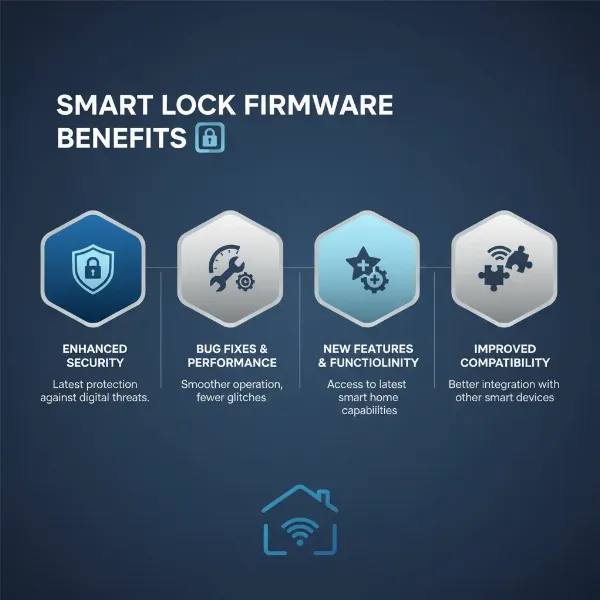
- Firmware Updates: Keep the lock’s firmware updated through the manufacturer’s app to benefit from new features and security enhancements.
Common issues include connectivity problems (often resolved by ensuring strong Wi-Fi signals or using Bluetooth as a backup) and battery concerns (addressed by using quality batteries and monitoring alerts). If you encounter persistent issues, refer to the manufacturer’s troubleshooting guide or contact customer support.
Essential Accessories for Enhanced Sliding Door Security
While a smart lock provides intelligent access, supplementing it with additional security accessories can create a truly robust defense for your sliding glass and patio doors.
- Security Bars: A simple yet highly effective physical barrier, a security bar (like a wooden dowel or a metal rod) placed in the bottom track of the sliding door prevents it from opening, even if the primary lock is compromised. Adjustable commercial options offer a more secure and aesthetically pleasing solution than a makeshift broomstick.
- Bolt Locks and Loop Locks: These secondary locks can be installed at the top or bottom of the door frame (bolt locks) or attach the sliding door to the frame (loop locks) for added reinforcement. They act as additional points of resistance against forced entry.
- Door and Glass Break Sensors: Integrate smart door sensors with your home security system to detect when the door is opened or tampered with. Glass break sensors specifically listen for the sound of shattering glass, providing an immediate alert in case of an attempted break-in.
- Smart Hubs/Bridges: For smart locks that primarily use Bluetooth, a Wi-Fi bridge or smart home hub (like those for Z-Wave or Zigbee) is essential for enabling remote control and integration with broader smart home ecosystems.
- Security Film: Applying a security film to your sliding glass panels can make them more shatter-resistant and harder to breach, adding a passive layer of protection against impact.
The combination of a smart lock with these physical and electronic accessories creates a multi-layered security approach, significantly deterring potential intruders and providing you with greater peace of mind.
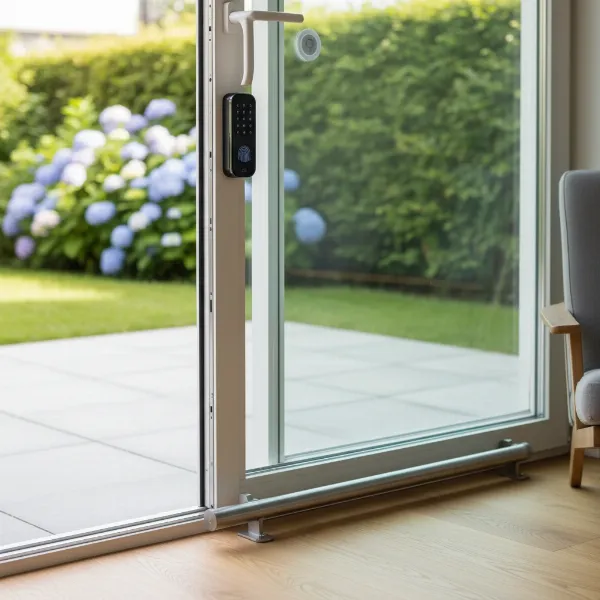 A sliding glass patio door with multiple security features, including a smart lock, a security bar, and a glass break sensor.
Conclusion
Securing your sliding glass doors and patio doors with a smart lock is a vital step towards a safer, more convenient home. By understanding the unique vulnerabilities of these entry points and exploring the diverse smart lock solutions available, you can confidently choose a system that transforms your home’s security. From remote monitoring and keyless entry to robust physical reinforcement, the right smart lock brings unparalleled peace of mind and seamless integration into your smart lifestyle.
Are you ready to elevate your home’s security and enjoy the effortless convenience of a smart lock for your sliding or patio doors?
Frequently Asked Questions
Which types of smart locks are best suited for sliding glass doors?
Smart lever locks, dedicated electronic keypad locks for sliding doors, and retrofit kits that integrate with existing mortise or hook locks are best suited. Models like the Toledo Sliding Door Smart Lock and specific Yale patio door solutions are designed for these unique door types.
Can I install a smart lock on my sliding door myself, or do I need a professional?
While some basic models may be DIY-friendly, professional installation is often recommended for sliding door smart locks. This ensures proper alignment, secure fixation, and correct wiring, especially if your door frame is aluminum or glass-heavy.
How do smart locks for patio doors enhance security beyond traditional locks?
Smart locks offer keyless entry, remote monitoring, activity logs, and tamper alerts, adding multiple layers of protection. They can also integrate with home security systems, providing instant notifications and deterring potential intruders more effectively than a simple latch.
What features should I prioritize when choosing a smart lock for a sliding glass door?
Prioritize compatibility with your door’s mechanism, multiple access methods (keypad, fingerprint, app), robust connectivity (Wi-Fi for remote access), weather resistance, and strong encryption for security. Battery life and emergency access options are also crucial considerations.
Are smart locks for sliding doors compatible with all smart home systems?
Compatibility varies by brand and model. Many popular smart locks support major platforms like Amazon Alexa, Google Assistant, and Apple HomeKit, as well as Z-Wave or Matter protocols for broader integration. Always check the product specifications for specific compatibility.