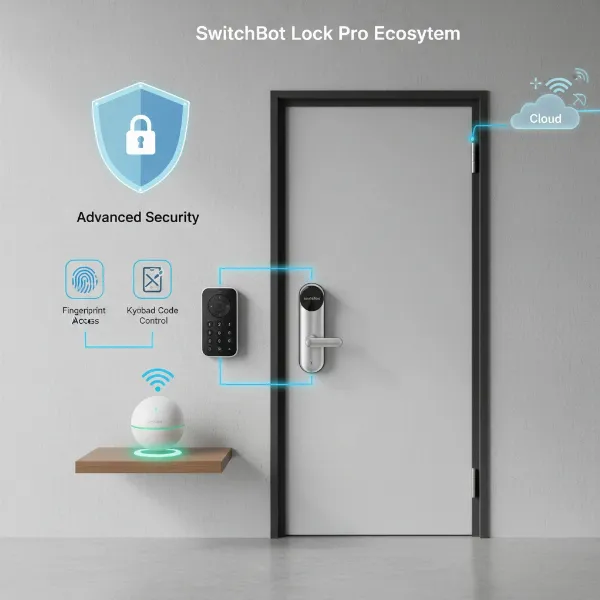
Choosing the right smart lock for your home is a significant decision that impacts both security and daily convenience. With a decade of experience in smart lock technology, I’ve seen firsthand how these devices transform homes. From simple keyless entry to advanced biometric systems, smart locks offer a level of control and peace of mind traditional locks simply can’t match. This guide will delve into two primary types of smart locks—deadbolt and mortise—helping you understand their core differences, benefits, and drawbacks so you can select the perfect solution for your needs and budget.
What are Smart Locks, and Why Choose Them?
Smart locks are innovative devices that offer advanced security and access control features beyond conventional mechanical locks. They integrate various technologies like Wi-Fi, Bluetooth, Z-Wave, or Zigbee to allow for keyless entry, remote access management, and integration with smart home ecosystems. These modern locks can be operated via smartphones, keypads, fingerprint scanners, or RFID tags, providing unparalleled convenience.
The allure of smart locks lies in their multifaceted benefits. They offer enhanced security through robust construction and digital encryption, making forced entry and lock picking significantly more challenging. Convenience is paramount, as you can unlock your door without a physical key, grant temporary access to guests or service providers remotely, and monitor door activity from anywhere. Moreover, smart locks streamline home management, allowing you to track who enters and exits your property and integrate with other smart devices for a cohesive smart home experience. These systems are increasingly popular in residential homes, rental properties, and even small businesses, providing flexible and secure access solutions.
Understanding Deadbolt Smart Locks
Before diving into smart deadbolts, let’s briefly understand the traditional deadbolt lock. A deadbolt is an auxiliary locking mechanism distinct from the spring-loaded latch found in doorknobs. It operates with a solid metal bolt that extends deep into the door frame, providing superior resistance against forced entry through kicking, prying, or using tools to manipulate the bolt. Unlike a spring latch, a deadbolt cannot be disengaged with a knife or credit card, offering a higher level of security.
How a Smart Deadbolt Works
|
Our Picks for the Best Smart Lock in 2026
As an Amazon Associate I earn from qualifying purchases.
|
||
| Num | Product | Action |
|---|---|---|
| 1 | TEEHO TE001 Keyless Entry Door Lock with Keypad - Smart Deadbolt Lock for Front Door with 2 Keys - Auto Lock - Easy Installation - Satin Nickel |

|
| 2 | Electronic Passwords Keyless Entry Door Locks Smart Deadbolt Metal Lock Auto Time Delay Locking Secure Durable Low Battery Alert Type-C Port for Emergency Charging |
|
| 3 | TEEHO TE001 Keyless Entry Door Lock with Keypad - Smart Deadbolt Lock for Front Door with 2 Keys - Auto Lock - Easy Installation - Oil-Rubbed Bronze |
|
| 4 | eufy Security Smart Lock C220, Fingerprint Keyless Entry Door Lock, Built-in Wi-Fi, App Remote Control, Front Door Smart Lock Deadbolt, 8Months Battery, Reliable Power, IP53 Waterproof, BHMA Grade 3 |
|
| 5 | ULTRALOQ U-Bolt Pro WiFi Smart Lock with Door Sensor, 8-in-1 Keyless Entry Door Lock with Fingerprint ID, App Remote Control, Built-in WiFi Keypad Deadbolt, Auto Unlock, IP65 Waterproof, Easy Install |
|
| 6 | Philips Wi-Fi Door Lock, WiFi Smart Lock Keyless Entry Deadbolt for Front Door, Compatible with Alexa & Google Assistant, Remote Control, Built-in WiFi, APP Fingerprint Passcode Unlock, Auto Locking |
|
| 7 | Schlage Encode Smart WiFi Deadbolt Lock for Front Door - Keyless Entry with App or Touchscreen - Works with Alexa, Hey Google, & Airbnb - Create Codes for Guests - Matte Black |
|
| 8 | eufy Security Smart Lock C220, Fingerprint Keyless Entry Door Lock, Built-in Wi-Fi, App Remote Control, Front Door Smart Deadbolt, IP53 Waterproof, 8-Months Battery, Nickel |
|
| 9 | TEEHO TE001 Keyless Entry Door Lock with Keypad - Smart Deadbolt Lock for Front Door with 2 Keys - Auto Lock - Easy Installation - Matte Black |
|
| 10 | Philips Wi-Fi Door Lock, WiFi Smart Lock Keyless Entry Deadbolt for Front Door, Remote Control, Built-in WiFi, APP Fingerprint Passcode Unlock, Auto Locking |
|
A smart deadbolt integrates the robust security of a traditional deadbolt with smart technology. It typically replaces only the existing deadbolt cylinder, meaning your current door handle and spring latch remain. These smart devices allow you to lock and unlock your door using a smartphone app via Bluetooth or Wi-Fi, a keypad for PIN codes, or even voice commands through a smart assistant. Some models may offer additional features like auto-locking, activity logs, and tamper alarms. Installation usually involves removing your old deadbolt and fitting the new smart unit into the existing bore holes, making it a relatively straightforward DIY upgrade for many homeowners.
Advantages of Smart Deadbolts
Smart deadbolts are often the go-to choice for homeowners seeking a security upgrade without extensive modifications. One of their primary benefits is ease of installation, as they typically fit into standard deadbolt preparations, making them suitable for DIY enthusiasts. They are also generally more cost-effective than smart mortise locks, offering robust security features at a lower entry price. Common use cases include front doors where an existing handle set is preferred, back doors, and garage entry doors. Smart deadbolts seamlessly integrate into many smart home systems, providing convenient keyless entry and remote access control.
Disadvantages of Smart Deadbolts
While smart deadbolts offer many advantages, they do come with certain limitations. They often rely on a separate handle and latch mechanism for the door to close properly, as the deadbolt only provides the locking function. This means you’ll typically have two separate pieces of hardware on your door for opening and locking. Additionally, due to their more compact design, smart deadbolts may offer fewer built-in features compared to their mortise counterparts. For example, some may not include integrated fingerprint readers or RFID access, requiring external accessories for such functionalities.
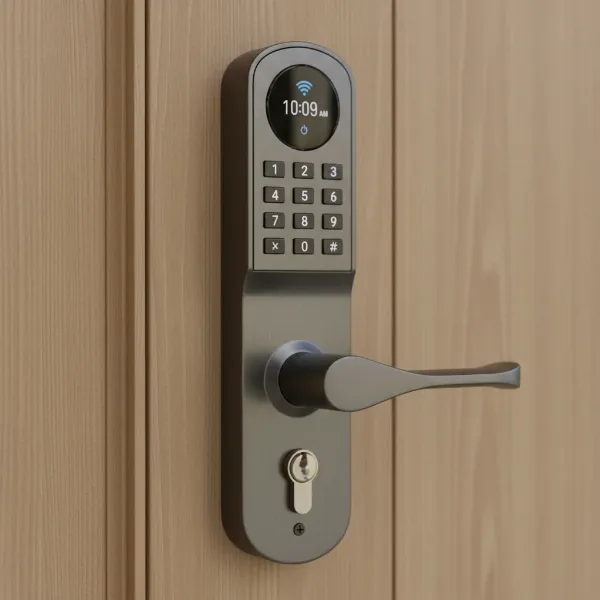 Close-up of a modern smart deadbolt lock on a wooden door, showing keypad.
Understanding Mortise Smart Locks
A traditional mortise lock is a comprehensive locking system that requires a deep pocket, or “mortise,” to be cut into the edge of the door. This large, heavy-duty box-like mechanism houses all the components: the deadbolt, the spring latch, and often the door handle mechanism, all within a single unit. Mortise locks are known for their substantial construction and are often found in older, high-quality doors, as well as in commercial and institutional settings.
How a Smart Mortise Works
A smart mortise lock takes the integrated design of a traditional mortise lock and infuses it with advanced technology. Unlike a smart deadbolt, a smart mortise lock typically replaces the entire existing lockset, including the handles and all internal locking components. These systems are self-contained and offer a wide array of access methods, such as PIN codes, fingerprint recognition, RFID cards, and smartphone control, often combining several into one seamless experience. Their embedded nature provides a very clean, sophisticated look on the door.
Advantages of Smart Mortise Locks
Smart mortise locks stand out for their integrated design, offering a complete, cohesive look with all locking and handle mechanisms unified in a single, robust unit. This integration often translates to higher security, as they typically feature multi-point locking systems (combining a deadbolt and latch bolt) and heavy-duty construction embedded deep within the door structure, making them highly resistant to brute force attacks. Due to their larger internal space, smart mortise locks can accommodate more advanced features and access methods, such as integrated fingerprint scanners, multiple RFID card readers, and robust keypads, all within the main unit. Aesthetically, they can offer a very sleek, high-end appearance, often with modern push-pull handle designs.
Disadvantages of Smart Mortise Locks
Despite their robust features, smart mortise locks present a few challenges. The most significant is their complex installation. Installing a mortise lock requires a substantial pocket to be cut into the door, which is a demanding task that often necessitates professional assistance, especially if your door doesn’t already have a mortise cutout. This complexity contributes to a higher cost, both for the unit itself and the potential installation fees. Furthermore, door compatibility can be an issue; not all doors are thick enough or suitable for the extensive modifications required to accommodate a mortise lock, limiting their application to certain door types.
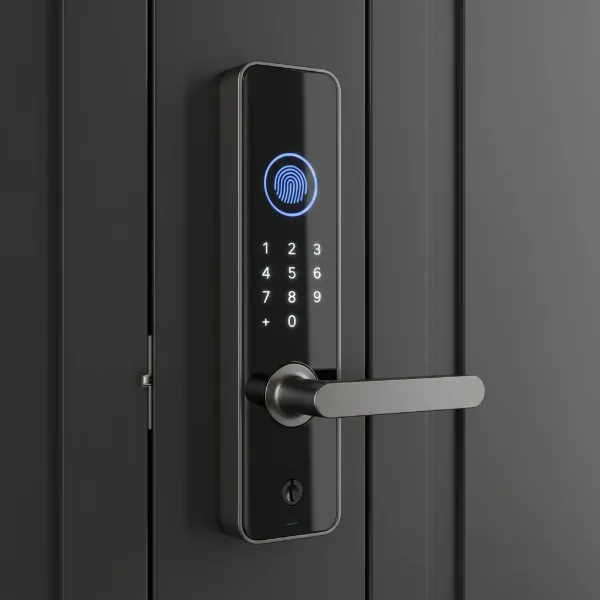 Sleek smart mortise lock with integrated handle and fingerprint scanner on modern door.
Smart Deadbolt vs. Smart Mortise: A Head-to-Head Comparison
To help you visualize the differences, here’s a detailed comparison between smart deadbolt and smart mortise locks:
| Feature | Smart Deadbolt | Smart Mortise |
|---|---|---|
| Installation | Easier; replaces existing deadbolt cylinder. Often DIY-friendly. | Complex; requires a deep pocket cut into the door. Often requires professional installation. |
| Security Level | High for most residential needs; robust against forced entry. | Very high; multi-point locking, heavy-duty embedded mechanism, resistant to brute force. |
| Features/Access Methods | PIN, Bluetooth, Wi-Fi; may require separate keypad. Fewer integrated options. | PIN, Bluetooth, Wi-Fi, RFID, Fingerprint, Remote. More integrated, all-in-one solutions. |
| Cost (Unit + Install) | Lower ($20 – $300+ for unit); simpler installation keeps overall cost down. | Higher ($75 – $500+ for unit); complex installation adds to overall cost. |
| Aesthetics | Often integrates with existing handle; can look like an add-on. | Integrated, sleek, and often premium look; complete lockset. |
| Ideal Use Cases | Residential doors, existing handle sets preferred, budget-conscious. | Main entrances, high-security doors, commercial use, luxury homes, integrated design preference. |
| Door Compatibility | Fits standard deadbolt bore holes (most doors). | Requires specific door thickness and material; significant door modification needed. |
In essence, the core distinction lies in their structural integration and the resulting implications for security, installation, and feature sets. Smart deadbolts offer a simpler, more affordable entry into smart home security, leveraging existing door hardware. Smart mortise locks provide a comprehensive, all-in-one solution with superior embedded security and a wider array of integrated advanced features, but at a higher cost and with more complex installation. Your choice will ultimately depend on balancing your security demands, aesthetic preferences, budget, and willingness to undertake or pay for significant door modifications.
How to Choose the Right Smart Lock for Your Needs (Buying Guide)
Selecting the ideal smart lock involves more than just picking the prettiest design. A thoughtful approach ensures you get a lock that truly meets your needs.
Assess Your Current Door and Lock Type
Before anything else, examine your existing door and its current lock setup. Is it a standard entry door with a separate deadbolt and handle, or does it feature a more integrated, older mortise lock? The type of door (wood, metal, fiberglass) and its thickness will dictate what smart lock types are compatible. If you have an existing deadbolt, a smart deadbolt is generally a simpler replacement. If you have an older mortise lock or are installing a new door and seeking the highest integration, a smart mortise might be an option.
Determine Your Security Requirements
Consider the level of security your property demands. For most residential applications, a high-quality smart deadbolt offers ample protection against common break-in methods. However, if you require commercial-grade security, are securing high-value assets, or desire multi-point locking for enhanced resistance against forced entry, a smart mortise lock might be the more suitable choice. Think about the peace of mind you need versus the inherent risks of your location.
Consider Desired Smart Features and Access Methods
What smart functionalities are most important to you? Do you simply want keyless entry via a PIN pad and smartphone, or do you desire advanced features like fingerprint access, RFID card entry, or robust integration with a comprehensive smart home system? Smart mortise locks generally offer a broader range of integrated access methods and more sophisticated features due to their larger internal mechanism, while smart deadbolts might offer a more streamlined set of core functions.
Evaluate Budget and Installation Costs
Your budget plays a crucial role. Smart deadbolts are typically more affordable both in unit cost and installation, as they often leverage existing door preparations or require minimal modification. Smart mortise locks, on the other hand, represent a higher initial investment and can incur significant professional installation costs, especially if your door requires extensive cutting or modification to accommodate the lock body. Factor in both the hardware price and any potential labor costs when making your decision.
Review Aesthetics and Door Compatibility
The look and feel of your smart lock are also important, particularly for your home’s curb appeal. Smart deadbolts often maintain a similar aesthetic to traditional deadbolts, integrating with your existing handle. Smart mortise locks, however, offer a complete, often sleek and contemporary design, as they replace the entire lockset. Always double-check the dimensions and specifications to ensure the chosen smart lock is compatible with your door’s thickness and existing bore holes.
Installation and Maintenance Tips for Smart Locks
Once you’ve made your choice, proper installation and ongoing maintenance are key to ensuring your smart lock performs optimally for years to come.
General Installation Considerations
- Read the Manual: Always start by thoroughly reading the manufacturer’s installation guide. Smart locks, particularly mortise types, can be complex.
- DIY vs. Professional: Smart deadbolts are often suitable for DIY installation if you’re comfortable with basic tools and following instructions. For smart mortise locks, or if you’re unsure, professional installation is highly recommended due to the precise door modifications required.
- Door Preparation: Ensure your door and frame are properly prepared. The bore holes must be correctly sized and aligned. For mortise locks, the mortise pocket must be accurately cut.
- Testing: After installation, thoroughly test all locking and unlocking mechanisms, both manual and smart, before fully securing the cover plates.
Maintaining Your Smart Lock for Longevity
- Battery Management: Smart locks are battery-powered. Pay attention to low battery warnings and replace batteries proactively. Use high-quality alkaline batteries for optimal performance.
- Cleanliness: Regularly wipe down the keypad and external components with a soft, damp cloth. Avoid harsh chemicals that could damage the finish or electronics.
- Lubrication: Periodically (e.g., once a year) apply a silicone-based lubricant to the mechanical parts of the bolt to ensure smooth operation. Avoid oil-based lubricants, which can attract dust.
- Software Updates: Keep your smart lock’s firmware and accompanying smartphone app updated to benefit from the latest security patches, features, and performance improvements.
Troubleshooting Common Issues
- Battery Drain: If batteries drain quickly, check for frequent Wi-Fi activity, ensure the lock isn’t experiencing resistance from the door frame, or consider stronger batteries.
- Connectivity Problems: Ensure your Wi-Fi router is within range and there are no obstructions. Try restarting both the lock and your router.
- Locking/Unlocking Issues: Check for proper alignment of the strike plate on the door frame. Ensure no debris is obstructing the bolt’s movement.
- Forgotten PIN/Access: Most smart locks have a master code or a way to reset access credentials via the app or a physical reset button. Consult your manual.
Conclusion
Navigating the world of smart locks can seem daunting, but understanding the fundamental distinctions between deadbolt and mortise smart locks empowers you to make an informed decision. While smart deadbolts offer an accessible, often DIY-friendly path to enhanced security and convenience, smart mortise locks provide a more integrated, robust, and feature-rich solution for those prioritizing top-tier security and a seamless aesthetic. Both options represent a significant upgrade over traditional locking mechanisms, bringing modern technology to the forefront of home security.
Ultimately, your choice will hinge on a careful evaluation of your existing door, desired security level, budget, and willingness for installation complexity. Are you ready to embrace the future of home security?
Frequently Asked Questions
Can I upgrade my existing deadbolt to a smart mortise lock?
Upgrading from an existing deadbolt to a smart mortise lock is often possible, but it is a significant undertaking. It requires professional installation to cut the large mortise pocket into your door to accommodate the new lock body and potentially modify your door frame. This is not typically a DIY project unless you have advanced carpentry skills.
Are smart mortise locks always more secure than smart deadbolts?
Generally, smart mortise locks are considered more secure due to their embedded, heavy-duty construction and multi-point locking systems that often include both a deadbolt and a latch. However, a high-quality smart deadbolt can still provide excellent security for most residential needs, especially if it meets recognized security standards.
What’s the typical lifespan of a smart lock?
The lifespan of a smart lock can vary, but most reputable brands design their locks to last 5-10 years or more with proper maintenance. Factors like battery quality, usage frequency, environmental conditions, and regular software updates all contribute to the longevity of the device.
Do smart locks work if the power goes out?
Yes, most smart locks are designed to function even during a power outage. They are typically battery-powered, and many also include a physical key override, ensuring you can always access your home. The smart features like remote access might be temporarily unavailable if your home’s Wi-Fi is down.
Are smart mortise locks suitable for all door types?
Smart mortise locks are generally not suitable for all door types. They require a door of a certain thickness and material (usually solid wood or reinforced composite) that can accommodate the large mortise pocket without compromising the door’s structural integrity. They are less common for hollow-core or thin doors.