The dream of a fully integrated smart home, where every device communicates effortlessly, has long been tempered by a frustrating reality: a tangled web of incompatible platforms and proprietary ecosystems. For smart locks, which stand at the frontline of home security, this fragmentation has been particularly challenging. Enter Matter, a groundbreaking standard poised to revolutionize how our smart locks connect, communicate, and protect our homes. This article will delve into what Matter is, why it’s a game-changer for smart locks, its benefits, potential challenges, and how to navigate this exciting new landscape to secure your home with unprecedented ease and confidence.
What is Matter and Why Does it Matter for Smart Locks?
Matter is an open-source connectivity standard developed by the Connectivity Standards Alliance (CSA), backed by industry titans like Apple, Google, Amazon, and Samsung. Its core mission is to unify the smart home ecosystem by providing a common language that all Matter-certified devices can understand and use to communicate. This means an end to the frustrating compatibility issues that have plagued smart home enthusiasts for years.
For smart locks, Matter is particularly significant. Traditionally, choosing a smart lock meant committing to a specific ecosystem, limiting your options for other devices or forcing you into complex workarounds. Matter eliminates this barrier by enabling smart locks to connect seamlessly across different platforms. It leverages common network technologies like Wi-Fi, Thread, and Ethernet, facilitating direct, local communication between devices whenever possible. This local control not only enhances security by reducing reliance on cloud servers but also improves responsiveness, ensuring your lock reacts instantly to commands. Imagine unlocking your door with your preferred voice assistant, regardless of the lock’s brand, or having your smart lights turn on automatically as your Matter-enabled lock detects your arrival – this is the promise of Matter.
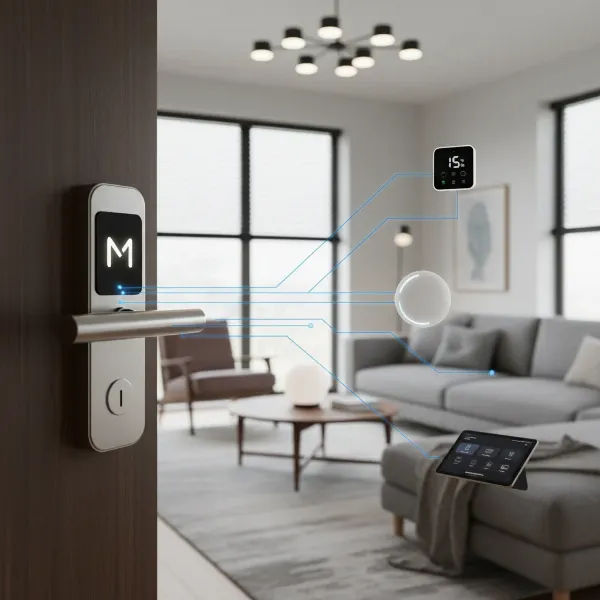 Matter smart lock seamlessly integrated into a unified smart home ecosystem.
Key Benefits of Matter-Enabled Smart Locks
Adopting Matter-enabled smart locks brings a host of advantages that elevate both the security and convenience of your home. These benefits address long-standing smart home frustrations and pave the way for a truly integrated living experience.
Seamless Interoperability
|
Our Picks for the Best Smart Lock in 2026
As an Amazon Associate I earn from qualifying purchases.
|
||
| Num | Product | Action |
|---|---|---|
| 1 | Philips Wi-Fi Door Lock, WiFi Smart Lock Keyless Entry Deadbolt for Front Door, Remote Control, Built-in WiFi, APP Fingerprint Passcode Unlock, Auto Locking |

|
| 2 | Schlage Encode Smart WiFi Deadbolt Lock for Front Door - Keyless Entry with App or Touchscreen - Works with Alexa, Hey Google, & Airbnb - Create Codes for Guests - Matte Black |
|
| 3 | eufy Security Smart Lock C220, Fingerprint Keyless Entry Door Lock, Built-in Wi-Fi, App Remote Control, Front Door Smart Lock Deadbolt, 8Months Battery, Reliable Power, IP53 Waterproof, BHMA Grade 3 |
|
| 4 | ULTRALOQ U-Bolt Pro WiFi Smart Lock with Door Sensor, 8-in-1 Keyless Entry Door Lock with Fingerprint ID, App Remote Control, Built-in WiFi Keypad Deadbolt, Auto Unlock, IP65 Waterproof, Easy Install |
|
| 5 | TEEHO TE001 Keyless Entry Door Lock with Keypad - Smart Deadbolt Lock for Front Door with 2 Keys - Auto Lock - Easy Installation - Satin Nickel |
|
| 6 | Electronic Passwords Keyless Entry Door Locks Smart Deadbolt Metal Lock Auto Time Delay Locking Secure Durable Low Battery Alert Type-C Port for Emergency Charging |
|
| 7 | eufy Security Smart Lock C220, Fingerprint Keyless Entry Door Lock, Built-in Wi-Fi, App Remote Control, Front Door Smart Deadbolt, IP53 Waterproof, 8-Months Battery, Nickel |
|
| 8 | Philips Wi-Fi Door Lock, WiFi Smart Lock Keyless Entry Deadbolt for Front Door, Compatible with Alexa & Google Assistant, Remote Control, Built-in WiFi, APP Fingerprint Passcode Unlock, Auto Locking |
|
| 9 | TEEHO TE001 Keyless Entry Door Lock with Keypad - Smart Deadbolt Lock for Front Door with 2 Keys - Auto Lock - Easy Installation - Matte Black |
|
| 10 | TEEHO TE001 Keyless Entry Door Lock with Keypad - Smart Deadbolt Lock for Front Door with 2 Keys - Auto Lock - Easy Installation - Oil-Rubbed Bronze |
|
One of Matter’s most significant contributions is its commitment to interoperability. With Matter, smart locks from different manufacturers can communicate effortlessly with your existing smart home setup, whether you use Apple Home, Google Home, Amazon Alexa, or Samsung SmartThings. This eliminates brand lock-in, freeing you to choose the best smart lock for your needs without worrying about its compatibility with other devices in your home. This universal language ensures that your smart lock isn’t an isolated device but an integral part of a cohesive security system.
Enhanced Security Features
Security is paramount for any lock, and Matter has been designed with robust safeguards. Matter connections are secured with AES encryption, an advanced encryption standard adopted by the U.S. government, ensuring that data transmitted between your lock, phone, and smart hub is scrambled and unreadable to unauthorized parties. Furthermore, Matter promotes local device control, minimizing data exposure to external cloud servers. Each Matter device also includes secure, encrypted enclaves for storing sensitive data like network credentials and utilizes public keys and certificates for device authentication, mirroring the security protocols used by secure websites. Crucially, Matter devices support over-the-air (OTA) updates, allowing manufacturers to quickly deliver security patches and new features, keeping your lock’s defenses current against evolving threats.
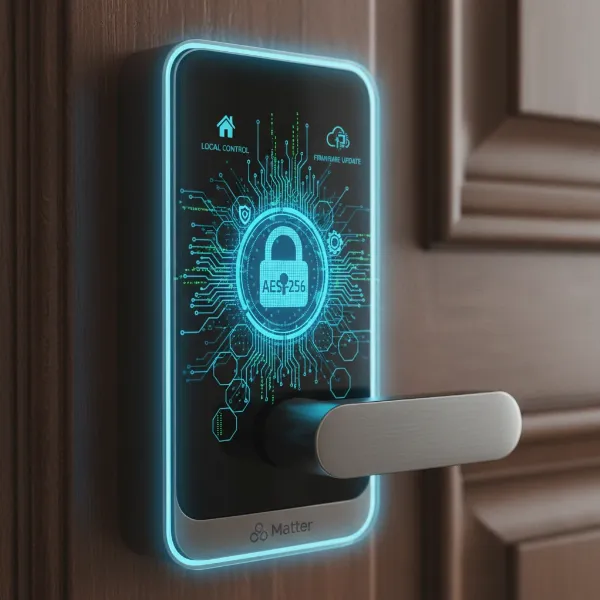 Visual representation of enhanced security features in a Matter smart lock.
Reliable Performance with Thread
Many Matter devices leverage Thread, a low-power, self-healing mesh networking technology. For smart locks, Matter-over-Thread offers significant advantages. Unlike traditional Wi-Fi, which can struggle with range and dead spots, Thread creates a local mesh network where each device acts as a relay, extending coverage and improving signal strength throughout even large homes. This means consistent, reliable performance for your smart lock, reducing delays and ensuring your commands are executed promptly, without the need for additional bridges or hubs specifically for range extension.
Simplified Setup and Management
Setting up new smart home devices can often be a cumbersome process. Matter aims to simplify this by using standardized protocols for device onboarding. This streamlined setup means less time wrestling with instructions and more time enjoying your new smart lock. Once connected, managing your Matter smart lock becomes more straightforward, as you can often control and monitor it from a single preferred smart home app, regardless of the brand.
Future-Proofing Your Smart Home
With the backing of major tech companies and its open-source nature, Matter is positioned as a future-proof standard. Investing in Matter-enabled smart locks today means your devices are more likely to remain compatible and relevant as the smart home industry continues to evolve. This provides peace of mind that your security infrastructure won’t become obsolete overnight, safeguarding your investment for years to come.
Flexibility for Mixed-Platform Households
In homes where some family members prefer Apple devices and others use Android or Google Home, managing disparate smart home platforms can be a headache. Matter offers a seamless solution for these “mixed-platform” households. A Matter-enabled smart lock can be controlled by multiple ecosystems simultaneously, allowing everyone to use their preferred app or voice assistant to access and manage the lock without compatibility conflicts.
Potential Challenges and Considerations
While Matter holds immense promise, it’s essential to approach its adoption with a realistic understanding of its current stage and potential considerations.
Early Adoption Phase
Matter is still in its nascent stages, meaning that while the potential is vast, users might encounter some initial bumps along the road. As with any new technology, the ecosystem is continuously maturing, and occasional glitches or feature limitations might be present as manufacturers fully integrate and optimize their devices. Patience and a willingness to adapt are key for early adopters.
Hardware and Firmware Requirements
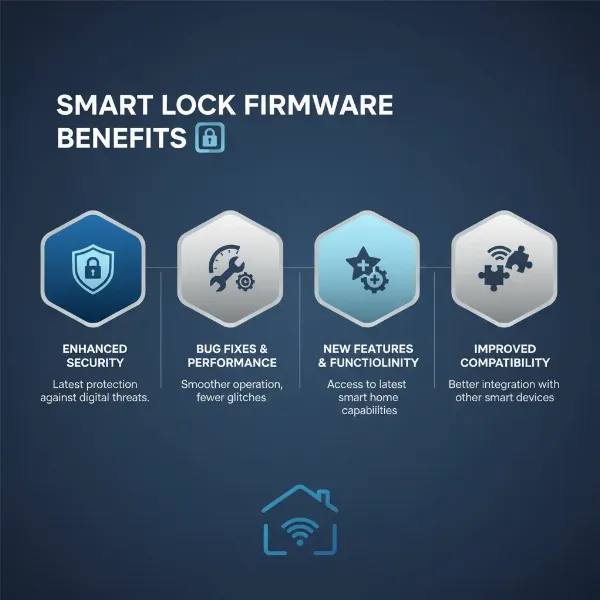
To fully embrace Matter, you might need to invest in new Matter-compatible smart locks. While some existing smart locks may receive firmware updates to support Matter, not all older devices will be upgradable. This could mean an initial investment in new hardware if your current setup isn’t compatible. It’s crucial to check if your existing smart locks or preferred brands offer Matter compatibility or upgrade paths.
Thread Border Router Dependency
Many Matter devices, especially those requiring low power and extended range like smart locks, rely on Thread for connectivity. For Thread devices to communicate with your Wi-Fi network and the wider internet, you’ll need a Thread border router. Devices like the Apple HomePod Mini, Amazon Echo (4th Gen and newer), or Google Nest Hub Max can act as border routers. If you don’t already own one, this would be an additional purchase to enable full Matter-over-Thread functionality.
Ecosystem-Specific Features
While Matter ensures core interoperability, some advanced or niche features might remain exclusive to a specific smart home ecosystem. For instance, highly complex automations or unique device interactions could still be tied to platforms like Apple HomeKit or Google Home. While Matter significantly broadens compatibility, it doesn’t necessarily homogenize every single feature across all platforms.
Upfront Investment
As cutting-edge technology, new Matter-enabled smart locks might come with a higher upfront cost compared to their non-Matter counterparts. This premium reflects the advanced technology and the long-term benefits of interoperability and security. Budgeting for this initial investment is a practical consideration for those looking to upgrade.
Choosing the Right Matter Smart Lock: A Buying Guide
Selecting a Matter smart lock requires careful consideration to ensure it meets your specific security needs and seamlessly integrates with your home.
Assess Your Current Smart Home Setup
Before purchasing, evaluate your existing smart home devices. Do you already have a Thread border router like an Apple HomePod Mini or an Amazon Echo? Are your current smart hubs compatible with Matter? Understanding your present ecosystem will help you determine what additional hardware, if any, you might need. Check for firmware updates for any existing smart locks or hubs that might add Matter support.
Understand Connectivity Options
Matter-enabled smart locks can connect via Wi-Fi, Thread, or even Ethernet. Consider your home’s network infrastructure. Thread offers a robust, low-power mesh network ideal for reliability and range, but requires a border router. Wi-Fi offers direct connectivity but can be more power-hungry and susceptible to range issues. Choose the option that best suits your home’s layout and your desired performance.
Prioritize Security Features
Beyond Matter’s inherent security benefits, look for smart locks that offer additional layers of protection. This includes physical security features, robust anti-tamper alarms, privacy certifications, and strong authentication methods (e.g., advanced fingerprint readers, secure keypads, or reliable app-based control). Research the manufacturer’s reputation for security updates and data privacy.
Evaluate Form Factor and Installation
Smart locks come in various designs, from full replacement locks to retrofit options that work with your existing deadbolt. Ensure the Matter smart lock you choose is compatible with your door type and thickness. Consider whether you prefer a professional installation or a DIY approach, and review the manufacturer’s installation guides carefully.
Consider Brand Reputation and Support
Opt for smart lock brands known for their reliability, customer support, and commitment to the Matter standard. A reputable manufacturer will offer clear warranty policies, accessible technical support, and consistent firmware updates to enhance both security and functionality over time. Reading reviews from early adopters can provide valuable insights into real-world performance.
Read Reviews and Early Adopter Experiences
Due to Matter’s relative newness, user reviews and experiences from early adopters are invaluable. Look for feedback on ease of installation, everyday reliability, battery life, and seamless integration with different smart home platforms. This real-world data can help you avoid potential pitfalls and make an informed decision.
Setting Up and Maintaining Your Matter Smart Lock
Proper setup and ongoing maintenance are crucial for maximizing the benefits and longevity of your Matter-enabled smart lock.
Installation Basics
The physical installation of a Matter smart lock generally follows the same principles as any smart lock. This typically involves removing your old deadbolt, installing the new lock mechanism, and attaching the interior and exterior components. Always refer to the manufacturer’s specific instructions, as steps can vary between models. Once physically installed, the next step is usually to power the lock with batteries.
Connecting to Your Smart Home Ecosystem
This is where Matter shines. Instead of navigating brand-specific apps for initial pairing, Matter simplifies the process. You’ll typically use your preferred smart home app (e.g., Apple Home, Google Home, Amazon Alexa) to scan a QR code on the lock or its packaging. The app will then guide you through connecting the lock to your home network, often leveraging a Thread border router if present. This allows the lock to become part of your unified smart home, accessible and controllable from your chosen platform.
Optimizing Performance
To ensure your Matter smart lock performs optimally, maintain a strong and stable network connection. If using Thread, ensure your Thread border router is centrally located and powered on. Regularly check for and install firmware updates, as these often include performance enhancements, new features, and critical security patches. Keeping your smart home hub updated is equally important for smooth Matter operation.
Troubleshooting Common Issues
Common issues can include connectivity drops, slow response times, or battery drain. For connectivity, ensure your Wi-Fi is strong or your Thread network is robust. Battery life can be monitored through your smart home app, and it’s wise to replace batteries proactively. If issues persist, a factory reset and re-pairing might resolve software glitches. Always consult the manufacturer’s support resources for specific troubleshooting steps.
The Future of Home Security with Matter
Matter is not just a passing trend; it represents a fundamental shift in the smart home landscape, particularly for security devices like smart locks. As Matter gains wider adoption and more devices become certified, we can anticipate an even more integrated and robust home security experience.
The protocol promises to foster greater innovation, as manufacturers can focus on developing advanced features rather than spending resources on compatibility workarounds. We’ll likely see smart locks that integrate even more seamlessly with other smart home elements—your Matter-enabled smoke detectors could automatically unlock doors in an emergency, or your security cameras could trigger specific lock actions when motion is detected. This interconnectedness creates a comprehensive, intelligent security perimeter around your home, reacting dynamically to various scenarios. As the technology matures, Matter will simplify not only the user experience but also the entire development and deployment process for smart home security solutions, making advanced protection more accessible and reliable for everyone.
Conclusion
The Matter Protocol is poised to redefine smart home connectivity, offering a beacon of hope for a truly unified and secure ecosystem. For smart locks, this means moving beyond frustrating compatibility headaches to embrace a future of seamless integration, enhanced security through robust encryption and local control, and reliable performance driven by mesh networking technologies like Thread. While the journey is still in its early stages, the benefits of future-proofing, simplified setup, and flexibility for diverse households make Matter a compelling consideration for anyone looking to upgrade their home security. By understanding the advantages, acknowledging potential challenges, and making informed choices, you can unlock a smarter, more secure home. Are you ready to step into the future of home security with Matter?
Frequently Asked Questions
What is a Thread border router?
A Thread border router is a device that connects a Thread network (used by many Matter devices for low-power, mesh connectivity) to your home’s Wi-Fi network and the internet. It acts as a bridge, allowing Thread devices like smart locks to communicate with your smartphone or smart home hub. Common examples include the Apple HomePod Mini, Amazon Echo (4th Gen and newer), and Google Nest Hub Max.
Can I upgrade my existing smart lock to Matter?
Some smart lock manufacturers may release firmware updates to enable Matter compatibility on their existing models. However, this is not universally true for all smart locks. It depends on the internal hardware capabilities of your specific lock. You should check with your smart lock’s manufacturer to see if a Matter update is planned or available for your model.
How does Matter compare to Zigbee or Z-Wave for smart locks?
Matter is designed to be a unified application layer that can run over various network technologies, including Wi-Fi and Thread (which shares some similarities with Zigbee’s mesh networking). While Zigbee and Z-Wave are also wireless protocols for smart home devices, Matter aims to solve the interoperability challenge between different ecosystems that these older protocols often struggled with. Matter focuses on creating a common “language” that devices can speak, regardless of the underlying wireless technology, thus offering broader compatibility.
Are Matter smart locks truly more secure?
Yes, Matter smart locks are designed with enhanced security as a core principle. They utilize strong AES encryption for data transmission, promote local device control to minimize reliance on cloud services, employ secure hardware enclaves for sensitive data, and support over-the-air updates for timely security patches. These features collectively make Matter connections robust and often more secure than the physical lock itself.
Which brands currently offer Matter-enabled smart locks?
As Matter is still developing, the list of compatible smart lock brands is expanding. Prominent brands like Level Lock have already embraced Matter. You can typically find Matter-certified devices by looking for the official Matter logo on product packaging or checking the Connectivity Standards Alliance (CSA) website for a list of certified products and brands.